Category: Sports

  • Pickleball Explained: Everything You Need to Know Before Playing

    Pickleball Explained: Everything You Need to Know Before Playing

    You may have seen the name pop up on social media and wondered whether it has anything to do with actual pickles. It does not. Pickleball is a paddle sport that has grown rapidly in popularity, first in the United States and increasingly across Asia. Its appeal is easy to understand: it is simple to learn, very social and suitable for a wide range of ages.

    The basics

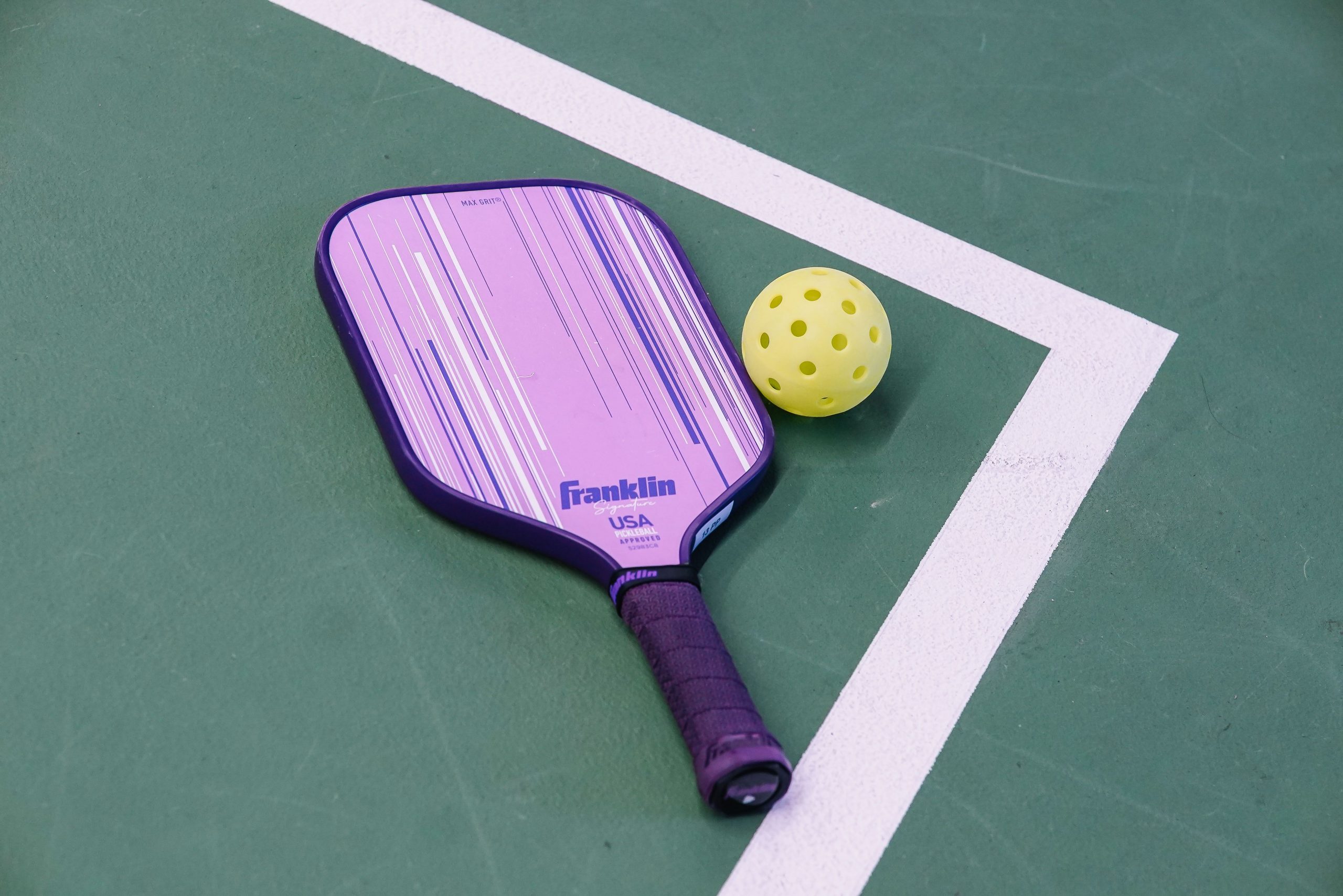
    Pickleball is played on a court roughly the size of a badminton court, with a net slightly lower than a tennis net. Players use solid paddles, larger than a table tennis bat, and a lightweight plastic ball with holes, a little like a whiffle ball. It can be played as singles or, more commonly, doubles.

    Serves are made underhand and diagonally across the court. One distinctive rule is the “two-bounce rule”: after the serve, the ball must bounce once on each side before players can hit it in the air. This slows the opening of each rally and gives everyone time to get into position.

    Another key feature is the non-volley zone, often called “the kitchen”, an area close to the net. Players cannot hit the ball out of the air while standing in it. This stops people from simply smashing everything at the net and rewards clever, controlled shots.

    Games are usually played to 11 points, and you must win by two. In standard scoring, only the serving side can score.

    Why it might catch on here

    Badminton has long been beloved in Brunei, and many badminton and tennis players find pickleball feels familiar. The smaller court means less running than tennis, which makes it approachable for beginners, older players and families playing together.

    It is also very social. Rallies are often long and full of laughter, and doubles play naturally encourages chatting between points.

    Getting started

    You need very little to begin: a paddle, a few balls and comfortable court shoes. Some multi-purpose courts can be adapted with temporary lines. Look out for local groups or sports centres offering sessions, and ask whether equipment is available to borrow.

    As with any sport in our climate, play in the cooler parts of the day or indoors, drink plenty of water and warm up properly. Then grab a partner and give it a go. You might just find your new favourite way to spend a weekend morning.
  • Before Sunrise: How Running Became Brunei’s Favourite Social Sport

    Before Sunrise: How Running Became Brunei’s Favourite Social Sport

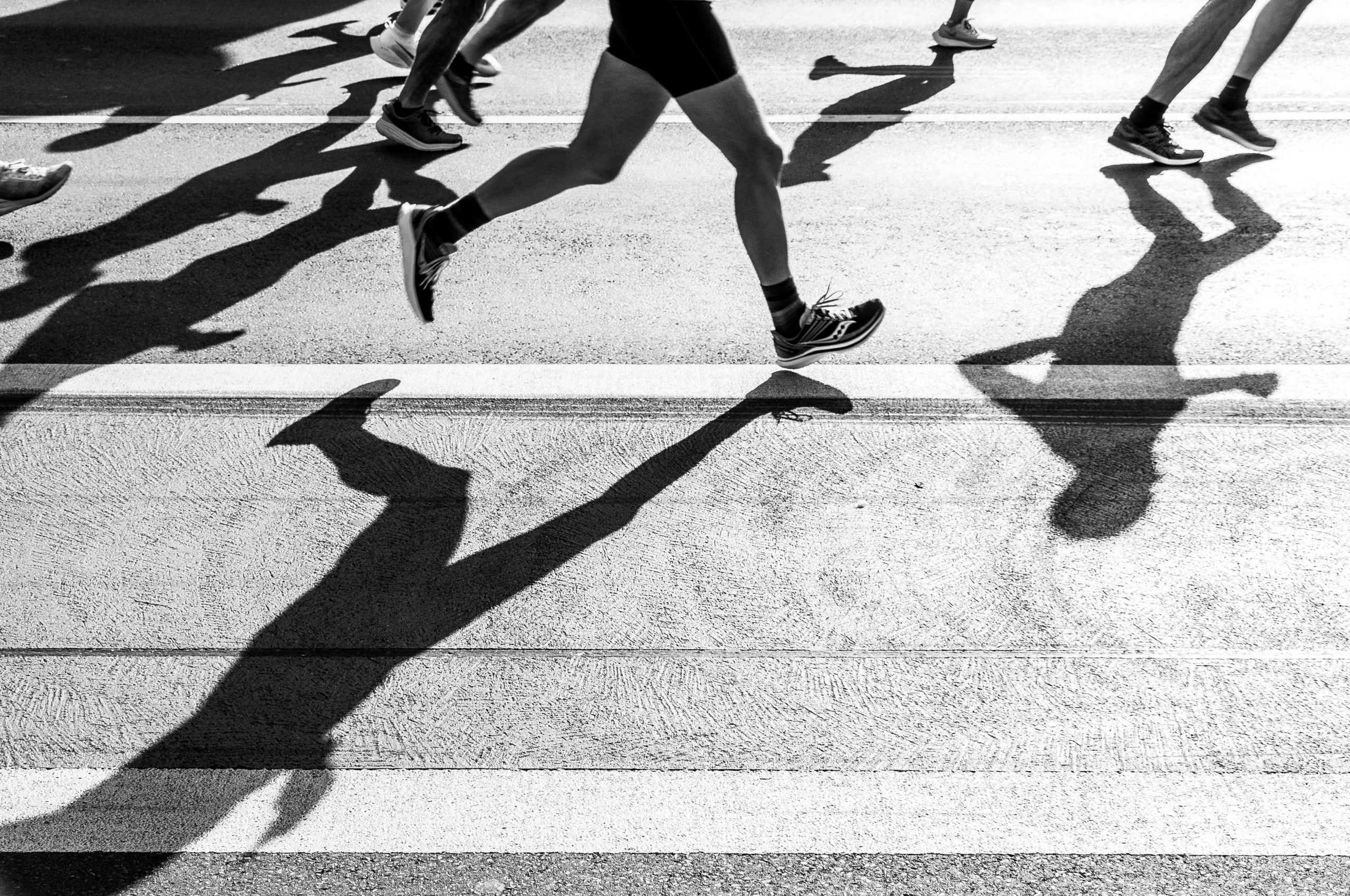
    If you drive past a park or along a quiet road just after dawn, you are likely to see them: runners in bright shoes, some alone with earphones, others moving together in cheerful groups. Running has become one of the most popular ways to stay fit around the world, and Brunei is no exception.

    Part of the appeal is simplicity. You need little more than good shoes and comfortable clothes. There is no court to book and no expensive equipment. You can run around your neighbourhood in Sengkurong, along a trail near Tasek Lama, or on a flat stretch close to the beach at Jerudong.

    The rise of the run club

    Globally, one of the biggest shifts in recent years has been the growth of social run clubs. Rather than serious training groups, many are relaxed gatherings where pace matters less than showing up. People run together, then linger for breakfast or a drink afterwards. For many, it has become a way to meet new people as much as a way to get fit.

    That social side suits Brunei well. In a close-knit country where much of life revolves around community and shared meals, a Saturday morning run followed by nasi katok or roti with friends feels like a natural fit.

    Fitness apps and smartwatches have added another layer. Tracking distance, pace and progress keeps many runners motivated, and sharing routes with friends adds a little friendly competition.

    Running with the climate

    Our weather does demand respect. Heat and humidity make running harder and increase the risk of dehydration and heat exhaustion. That is why so many local runners head out early in the morning or after sunset, when temperatures are gentler.

    Hydrate before and after, and carry water on longer runs. Wear light, breathable clothing, and listen to your body; slowing down on a sticky day is sensible, not a failure. If you have any health conditions, it is wise to check with a doctor before starting.

    Perhaps the most compelling reason to run is how it changes the way you see home. Familiar roads look different at sunrise, and there is something special about watching the sky brighten over the trees while the city wakes up. Whether you are chasing a personal best or simply a better mood, the road is waiting.