
Category: Tech

  • Seven Signs That Message Is a Scam

    Seven Signs That Message Is a Scam

    Your phone buzzes. A parcel is “on hold” and needs a small fee. Your bank account has been “suspended”. A stranger offers a remote job paying far more than it should. Online scams are a global problem, and people in Brunei are just as likely to receive these messages as anyone else. The good news is that most scams follow familiar patterns.

    The warning signs

    1. Urgency. Scammers want you to act before you think. Phrases like “within 24 hours” or “immediately” are designed to rush you.

    2. Requests for codes or passwords. A one-time password (OTP) is meant only for you. Legitimate organisations will not ask you to read it back to them over the phone or by message.

    3. Strange links. Look closely at web addresses. Misspellings, extra words or unfamiliar endings are red flags. When in doubt, type the official address yourself or use the organisation’s own app.

    4. Payment in unusual forms. Requests for gift cards, cryptocurrency or transfers to a personal account are classic scam tactics.

    5. Too good to be true. Prizes you never entered, investments with “guaranteed” high returns, and jobs that pay generously for simple “liking” tasks are almost always traps.

    6. Emotional pressure. Some scams impersonate a relative in trouble or play on romance. If someone you have never met in person asks for money, stop and talk to family first.

    7. Poor grammar and generic greetings. Not every scam is badly written, but “Dear Customer” and awkward phrasing should make you pause.

    What to do next

    If a message worries you, do not reply and do not click. Contact the organisation directly using a phone number or website you already trust. Turn on two-factor authentication for your email, banking and social media, and keep your phone’s software updated.

    If you think you have been caught out, act quickly: call your bank using its official number, change your passwords, and report the incident to the police. Speed can make a real difference.

    Finally, share what you know. Older relatives, younger siblings and busy colleagues are all targets. A quick chat over dinner about “that suspicious message” could save someone a great deal of stress, and money.
  • Your New Assistant Doesn’t Drink Kopi: AI Moves Into Everyday Life

    Your New Assistant Doesn’t Drink Kopi: AI Moves Into Everyday Life

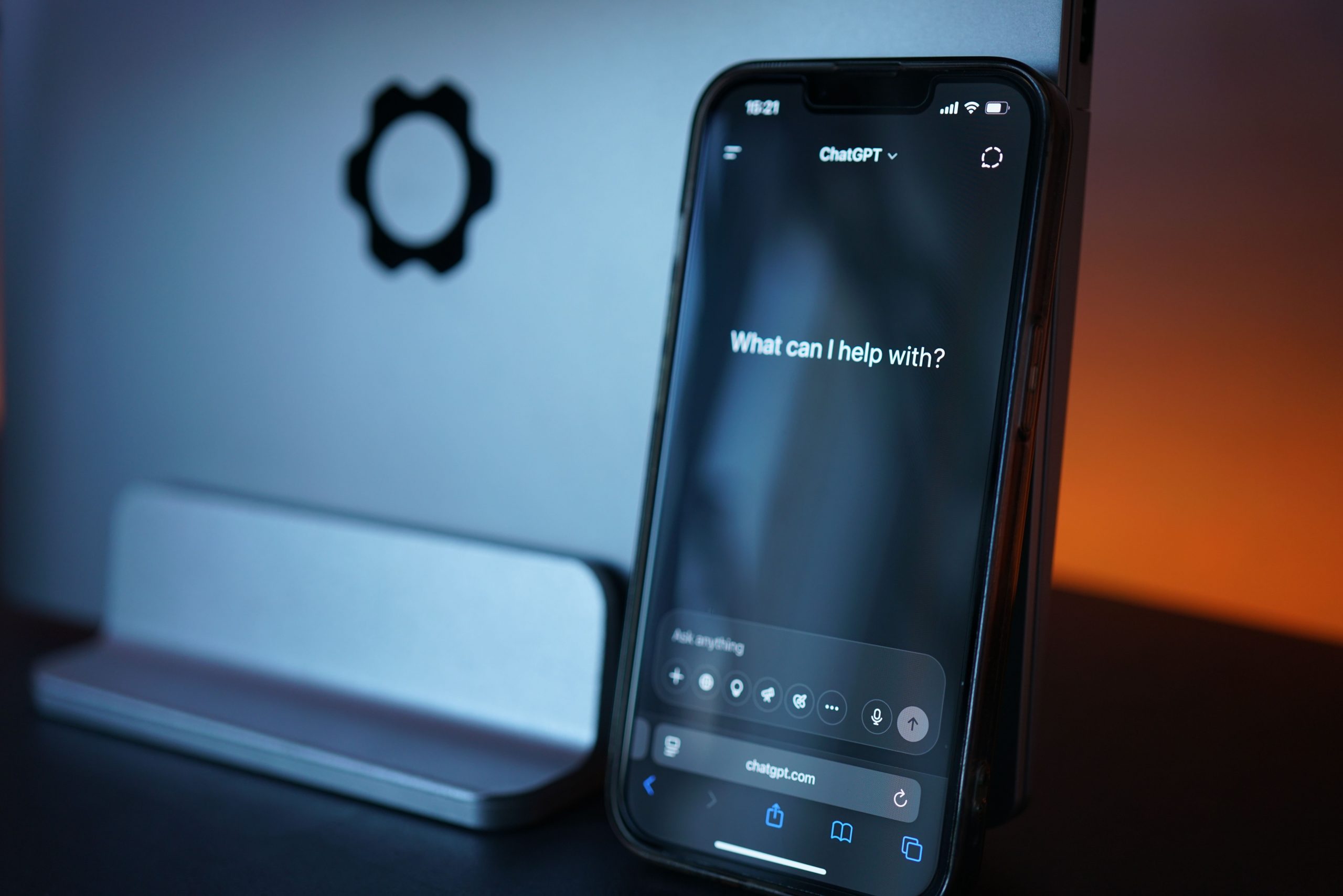
    Not so long ago, “artificial intelligence” sounded like something from a science fiction film. Today, for many people in Brunei, it is as ordinary as checking the weather before driving to Gadong. AI chat assistants now sit inside phones, browsers and office software, and people are using them for tasks big and small.

    A civil servant might ask one to tidy up the wording of a formal letter. A university student in Tungku might use it to explain a tricky statistics concept in simpler terms. A home cook in Tutong might ask for ideas on using leftover rendang. None of these uses are dramatic, and that is exactly the point: AI has become a background helper rather than a headline.

    Where it genuinely helps

    The tools shine at first drafts and brainstorming. Staring at a blank page is hard; editing a rough draft is much easier. They are also handy for summarising long documents, suggesting a structure for a presentation, or translating a quick message between Malay and English so you can check you have understood something correctly.

    Small business owners have found them useful too. Writing product descriptions for an online kuih shop, drafting a polite reply to a customer, or sketching out a simple weekly social media plan can take minutes rather than an evening. That frees up time for the parts of the business that need a human touch.

    Where to be careful

    AI tools can sound confident while being completely wrong. They sometimes invent facts, mix up dates or misunderstand local context, which matters in a country with its own customs, laws and institutions. Anything important, whether it involves health, money, legal matters or religious guidance, deserves a check with a qualified person or an official source.

    Privacy is the other big consideration. It is wise not to paste in your IC number, bank details, confidential work files or private family matters. A good rule of thumb: if you would not post it on a public noticeboard, think twice before typing it into a chatbot.

    Used sensibly, these assistants are less a replacement for thinking and more a patient study partner who never tires of your questions. The trick is to stay in the driver’s seat, letting the machine help with the legwork while you make the decisions. After all, it can suggest a recipe for ambuyat, but it still cannot tell you whether the cacah is just right.