Category: Variety

  • Pickleball Explained: Everything You Need to Know Before Playing

    Pickleball Explained: Everything You Need to Know Before Playing

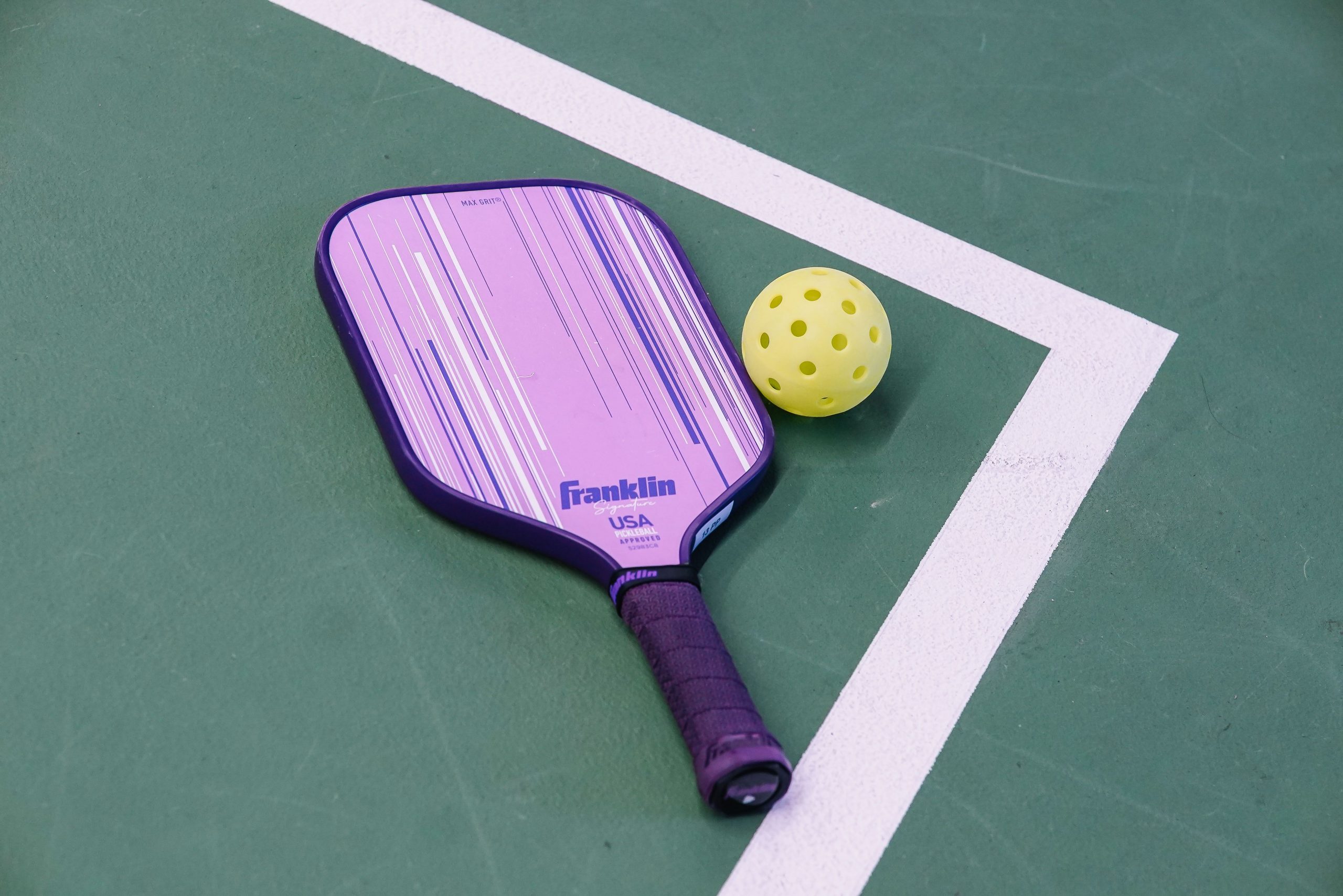
    You may have seen the name pop up on social media and wondered whether it has anything to do with actual pickles. It does not. Pickleball is a paddle sport that has grown rapidly in popularity, first in the United States and increasingly across Asia. Its appeal is easy to understand: it is simple to learn, very social and suitable for a wide range of ages.

    The basics

    Pickleball is played on a court roughly the size of a badminton court, with a net slightly lower than a tennis net. Players use solid paddles, larger than a table tennis bat, and a lightweight plastic ball with holes, a little like a whiffle ball. It can be played as singles or, more commonly, doubles.

    Serves are made underhand and diagonally across the court. One distinctive rule is the “two-bounce rule”: after the serve, the ball must bounce once on each side before players can hit it in the air. This slows the opening of each rally and gives everyone time to get into position.

    Another key feature is the non-volley zone, often called “the kitchen”, an area close to the net. Players cannot hit the ball out of the air while standing in it. This stops people from simply smashing everything at the net and rewards clever, controlled shots.

    Games are usually played to 11 points, and you must win by two. In standard scoring, only the serving side can score.

    Why it might catch on here

    Badminton has long been beloved in Brunei, and many badminton and tennis players find pickleball feels familiar. The smaller court means less running than tennis, which makes it approachable for beginners, older players and families playing together.

    It is also very social. Rallies are often long and full of laughter, and doubles play naturally encourages chatting between points.

    Getting started

    You need very little to begin: a paddle, a few balls and comfortable court shoes. Some multi-purpose courts can be adapted with temporary lines. Look out for local groups or sports centres offering sessions, and ask whether equipment is available to borrow.

    As with any sport in our climate, play in the cooler parts of the day or indoors, drink plenty of water and warm up properly. Then grab a partner and give it a go. You might just find your new favourite way to spend a weekend morning.


  • Plant Parenthood: A Beginner’s Guide to a Greener Brunei Home

    Plant Parenthood: A Beginner’s Guide to a Greener Brunei Home

    Scroll through any home décor feed and you will spot them: glossy monstera leaves, trailing pothos and tidy rows of succulents. Houseplants have become a genuine lifestyle trend worldwide, and Bruneians have plenty of reasons to join in. Our warm, humid climate is exactly what many popular indoor plants enjoy.

    Plants make a space feel calmer and more alive, and caring for them can be a soothing daily ritual. Best of all, you do not need a garden to get started.

    Easy plants for beginners

    Pothos (money plant) is practically indestructible, tolerates lower light and trails beautifully from shelves. Snake plants are architectural, forgiving and happy to be ignored for a while. Monstera grows quickly in bright, indirect light and delivers those famous split leaves. ZZ plants cope well in dimmer rooms and need little water.

    Many of these grow naturally in tropical regions, so they feel right at home in Brunei. Local nurseries and plant sellers are a good place to start, and many can advise on what suits your space.

    Five tips to keep them thriving

    1. Watch the light. Most houseplants prefer bright but indirect light. Harsh afternoon sun through a window can scorch leaves, so a spot a little away from the glass often works best.

    2. Don’t overwater. This is the most common mistake. In humid conditions, soil stays damp longer. Push a finger into the soil, and water only when the top few centimetres feel dry.

    3. Choose pots with drainage. Standing water leads to root rot. If you love a decorative pot without holes, use it as an outer cover for a plastic nursery pot.

    4. Mind the air-conditioning. Cold, dry air blowing directly on plants can stress them. Keep them away from vents.

    5. Keep an eye out for pests. Warmth and humidity suit insects too. Check under leaves occasionally, and wipe off any pests with a damp cloth before they spread.

    Start small with two or three plants and learn their rhythms before expanding your collection. Before long, you may find yourself swapping cuttings with friends and neighbours, one of the nicest parts of plant parenthood. If you have young children or pets, check whether a plant is toxic before bringing it home.

  • Sun, Storms and Floods: Keeping Your Car Happy in the Tropics

    Sun, Storms and Floods: Keeping Your Car Happy in the Tropics

    Our cars work hard. Blazing sun, sudden heavy rain and high humidity all take their toll, often in ways drivers do not notice until something goes wrong. A little routine care can save money and stress, whether you drive a family MPV around Jerudong or a pickup through the Belait district.

    Protecting paint and interiors

    Strong UV light fades paint and dries out dashboards. Park in the shade whenever you can, and use a windscreen sunshade when you cannot. A regular wash and wax, or a paint protection coating, helps shield the finish. Tree sap and bird droppings should be cleaned off promptly, as they can damage paint in the heat.

    Inside, a dashboard protectant and seat covers help prevent cracking and fading. Window tint is popular for comfort, but always check the current legal limits before fitting it. Humidity can also lead to musty smells, so run the air-conditioning regularly and replace the cabin air filter as recommended.

    Batteries, tyres and fluids

    Heat shortens the life of car batteries. If yours is more than a couple of years old, have it tested during routine servicing. Tyres also deserve attention: check pressures monthly, ideally when the tyres are cool, and look for sufficient tread depth. Good tread is essential for gripping wet roads during downpours.

    Keep an eye on coolant levels, and do not ignore a rising temperature gauge. Wiper blades perish quickly in the sun, so replace them when they start to streak. You will be glad of clear visibility when a storm rolls in on the highway.

    When heavy rain comes

    Brunei’s rainy seasons can bring flash flooding in some low-lying areas. The safest advice is simple: never drive through water if you cannot judge its depth. Water sucked into the engine can cause severe, expensive damage, and moving water can sweep a car off the road.

    In heavy rain, slow down, switch on your headlights, and leave extra distance to the car in front. Avoid using hazard lights while moving unless the situation genuinely calls for it, as they can confuse other drivers.

    If your car has been in floodwater, do not try to restart it. Have it towed to a workshop and contact your insurer. With a bit of foresight, your car will keep running smoothly, rain or shine.

  • Dressing for the Heat: A Practical Guide to Staying Cool

    Dressing for the Heat: A Practical Guide to Staying Cool

    Anyone who has walked from an air-conditioned office in Bandar Seri Begawan to a car parked in the midday sun knows the feeling. Our tropical climate means warm temperatures and high humidity for much of the year, followed by sudden downpours. Dressing well here is about comfort as much as style.

    Choose the right fabrics

    Cotton is the classic choice: soft, breathable and easy to wash. Linen is even airier and dries quickly, though it creases easily, which many people now embrace as part of its relaxed charm. Fabrics made from bamboo-derived fibres and some modern moisture-wicking blends are also popular for their soft, cool feel.

    Heavy polyester and tightly woven synthetics tend to trap heat and moisture, so save them for air-conditioned events. When shopping, hold a fabric up to the light: if you can see a little through the weave, it will probably breathe better.

    Fit, colour and smart habits

    Loose, flowing cuts allow air to circulate around the body. This works beautifully with modest dress too: wide-leg trousers, relaxed tunics and loose kurung are naturally suited to the climate. Tight clothing, on the other hand, holds sweat against the skin.

    Lighter colours reflect more sunlight than dark ones, which is why whites, creams, soft greys and pastels feel noticeably cooler outdoors. If you love darker shades, save them for evenings or indoor settings.

    For headscarves, lightweight materials such as cotton voile or breathable jersey can make a real difference on hot days. An inner cap made from a moisture-wicking fabric can also help.

    Footwear matters more than people think. Breathable shoes, leather sandals or canvas sneakers are kinder to your feet than closed synthetic styles. With rain always a possibility, it is worth keeping a pair of quick-drying shoes and a compact umbrella in the car.

    Finally, think about layers for the indoor chill. Many offices, malls and cinemas keep the air-conditioning cool, so a light cardigan or shawl in your bag lets you move between extremes comfortably.

    Dressing for the heat does not mean sacrificing style. With the right fabrics and a few smart habits, you can stay cool from your morning kopi to your evening walk.

  • Seven Signs That Message Is a Scam

    Seven Signs That Message Is a Scam

    Your phone buzzes. A parcel is “on hold” and needs a small fee. Your bank account has been “suspended”. A stranger offers a remote job paying far more than it should. Online scams are a global problem, and people in Brunei are just as likely to receive these messages as anyone else. The good news is that most scams follow familiar patterns.

    The warning signs

    1. Urgency. Scammers want you to act before you think. Phrases like “within 24 hours” or “immediately” are designed to rush you.

    2. Requests for codes or passwords. A one-time password (OTP) is meant only for you. Legitimate organisations will not ask you to read it back to them over the phone or by message.

    3. Strange links. Look closely at web addresses. Misspellings, extra words or unfamiliar endings are red flags. When in doubt, type the official address yourself or use the organisation’s own app.

    4. Payment in unusual forms. Requests for gift cards, cryptocurrency or transfers to a personal account are classic scam tactics.

    5. Too good to be true. Prizes you never entered, investments with “guaranteed” high returns, and jobs that pay generously for simple “liking” tasks are almost always traps.

    6. Emotional pressure. Some scams impersonate a relative in trouble or play on romance. If someone you have never met in person asks for money, stop and talk to family first.

    7. Poor grammar and generic greetings. Not every scam is badly written, but “Dear Customer” and awkward phrasing should make you pause.

    What to do next

    If a message worries you, do not reply and do not click. Contact the organisation directly using a phone number or website you already trust. Turn on two-factor authentication for your email, banking and social media, and keep your phone’s software updated.

    If you think you have been caught out, act quickly: call your bank using its official number, change your passwords, and report the incident to the police. Speed can make a real difference.

    Finally, share what you know. Older relatives, younger siblings and busy colleagues are all targets. A quick chat over dinner about “that suspicious message” could save someone a great deal of stress, and money.

  • Before Sunrise: How Running Became Brunei’s Favourite Social Sport

    Before Sunrise: How Running Became Brunei’s Favourite Social Sport

    If you drive past a park or along a quiet road just after dawn, you are likely to see them: runners in bright shoes, some alone with earphones, others moving together in cheerful groups. Running has become one of the most popular ways to stay fit around the world, and Brunei is no exception.

    Part of the appeal is simplicity. You need little more than good shoes and comfortable clothes. There is no court to book and no expensive equipment. You can run around your neighbourhood in Sengkurong, along a trail near Tasek Lama, or on a flat stretch close to the beach at Jerudong.

    The rise of the run club

    Globally, one of the biggest shifts in recent years has been the growth of social run clubs. Rather than serious training groups, many are relaxed gatherings where pace matters less than showing up. People run together, then linger for breakfast or a drink afterwards. For many, it has become a way to meet new people as much as a way to get fit.

    That social side suits Brunei well. In a close-knit country where much of life revolves around community and shared meals, a Saturday morning run followed by nasi katok or roti with friends feels like a natural fit.

    Fitness apps and smartwatches have added another layer. Tracking distance, pace and progress keeps many runners motivated, and sharing routes with friends adds a little friendly competition.

    Running with the climate

    Our weather does demand respect. Heat and humidity make running harder and increase the risk of dehydration and heat exhaustion. That is why so many local runners head out early in the morning or after sunset, when temperatures are gentler.

    Hydrate before and after, and carry water on longer runs. Wear light, breathable clothing, and listen to your body; slowing down on a sticky day is sensible, not a failure. If you have any health conditions, it is wise to check with a doctor before starting.

    Perhaps the most compelling reason to run is how it changes the way you see home. Familiar roads look different at sunrise, and there is something special about watching the sky brighten over the trees while the city wakes up. Whether you are chasing a personal best or simply a better mood, the road is waiting.

  • From Kopi to Cold Brew: Brunei’s Café Culture Grows Up

    From Kopi to Cold Brew: Brunei’s Café Culture Grows Up

    Brunei has always loved a good drink and a good chat. For generations, the local kedai kopi has been a place to catch up over teh tarik, kopi and a plate of roti or nasi katok. That tradition is alive and well. But alongside it, a newer café culture has taken root, particularly around Gadong, Kiulap and other busy parts of Bandar Seri Begawan.

    These cafés feel different. Think exposed brick or minimalist white walls, leafy plants, carefully brewed coffee and menus that range from matcha lattes to Basque burnt cheesecake. Many are small, independent businesses, often started by young Bruneians who fell in love with coffee culture while studying or travelling abroad.

    More than a caffeine fix

    Why the appeal? Partly, it is about having a “third place”: somewhere that is neither home nor work. In a country where nightlife revolves around food and conversation, cafés offer a relaxed setting to meet friends, hold informal meetings or simply sit with a book.

    Students and remote workers have embraced them too. A reliable Wi-Fi connection, a power socket and a quiet corner can turn a café into a study hall or a temporary office. Many cafés have become known for their laptop-friendly atmosphere, while others deliberately encourage a slower, screen-free pace.

    Then there is the visual side. Photogenic interiors, latte art and colourful desserts make cafés a natural fit for social media, and discovering a new spot has become a small adventure in itself.

    Old and new, side by side

    What makes Brunei’s café scene special is that it has not replaced the old ways. Many new cafés playfully draw on local flavours, with drinks inspired by pandan, gula apong or durian, and snacks that nod to traditional kuih. Meanwhile, the humble kedai kopi remains the go-to for an affordable breakfast before work.

    If you want to explore, try a little café-hopping on a weekend morning, before the midday heat sets in. Ask the barista for a recommendation, sample something local, and linger a while. Supporting independent cafés helps keep the scene diverse and creative.

    Whether you prefer a single-origin pour-over or a sweet, frothy teh tarik, there has never been a better time to pull up a chair.

  • Thinking About an Electric Car? What Brunei Drivers Should Know

    Thinking About an Electric Car? What Brunei Drivers Should Know

    Electric vehicles, or EVs, are no longer a curiosity. Across Southeast Asia, more models are arriving in showrooms, prices for some have come down, and governments in several countries are encouraging their adoption. Naturally, many Bruneian drivers are wondering whether an EV makes sense for them.

    It is a more nuanced question here than in some neighbouring countries. Brunei’s petrol has long been famously affordable, so the fuel savings that attract drivers elsewhere may be less dramatic. Still, EVs offer other benefits: quiet, smooth driving, instant acceleration, and fewer moving parts to maintain.

    Questions to ask before buying

    Where will you charge? For most EV owners, home charging is the key to convenience. If you live in a landed house with a car porch, installing a home charger may be straightforward, though it should always be done by a qualified electrician. Apartment dwellers will need to think harder about access.

    What does public charging look like? Before buying, check the current availability of public chargers along your usual routes, for example between Bandar Seri Begawan, Tutong and Kuala Belait. Charging infrastructure changes quickly, so ask dealers for up-to-date information.

    How far do you actually drive? Brunei’s compact size works in favour of EVs. Many daily commutes are short, and a modern EV’s range should comfortably cover most routine trips. If you often drive into Sarawak or Sabah, plan more carefully.

    Heat, rain and after-sales care

    Batteries do not love extreme heat. Parking in shade or covered spaces where possible is good practice, and most modern EVs have battery cooling systems designed for warm climates. Ask the dealer how the model handles tropical conditions.

    After-sales support is just as important as the car itself. Find out about warranty terms, especially for the battery, and whether local workshops have the trained technicians and parts to service the vehicle. Insurance premiums and resale value are also worth checking before you commit.

    An EV will not suit every driver today, and that is fine. But for households with home charging and predictable commutes, it may be worth a test drive. The future of motoring is arriving gradually, and it pays to arrive informed.

  • Modest, Modern and Made to Be Seen: Brunei’s Style Moment

    Modest, Modern and Made to Be Seen: Brunei’s Style Moment

    Walk through any mall in Gadong during the lead-up to Hari Raya and you will see it: racks of baju kurung in every imaginable shade, tudong in soft chiffons and crisp cottons, and shoppers carefully matching colours for the whole family. Modest fashion is not a new idea here. It is simply how many Bruneians have always dressed.

    What has changed is the rest of the world. Over the past decade, modest fashion has grown into a significant global market, with dedicated fashion weeks, international brands releasing modest collections, and a wave of designers and online creators across Southeast Asia and the Middle East building loyal followings.

    Tradition with a twist

    That global attention has fed back into local style. Traditional silhouettes are being reinterpreted with modern cuts: looser, flowing kurung with minimal detailing, kaftan-inspired pieces, and co-ordinated sets that work just as well at the office as at a family gathering. Muted earth tones and pastels sit alongside the bold jewel colours many families choose for Raya.

    Layering has become an art form. A long tunic over wide-leg trousers, an open outer layer over a simple dress, or a structured blazer paired with a tudong in a complementary tone can look polished while keeping to modest principles. Accessories, from brooches to statement handbags, do much of the talking.

    Fabric is part of the conversation too. In our heat and humidity, breathable materials matter, and many shoppers now look for lighter weaves and natural fibres that drape well without clinging.

    Supporting local makers

    One of the most encouraging parts of this trend is the space it creates for home-grown talent. Local tailors and small online boutiques have long been the backbone of Raya wardrobes, and social media has made it easier for them to reach customers across the country. Commissioning a tailor-made outfit, rather than buying off the rack, is still a cherished tradition for many families.

    At its heart, modest fashion in Brunei is about more than clothing. It reflects values, identity and a sense of occasion. That the rest of the world is now paying attention is simply a bonus, and perhaps a reminder that elegance has never depended on showing more.

  • Your New Assistant Doesn’t Drink Kopi: AI Moves Into Everyday Life

    Your New Assistant Doesn’t Drink Kopi: AI Moves Into Everyday Life

    Not so long ago, “artificial intelligence” sounded like something from a science fiction film. Today, for many people in Brunei, it is as ordinary as checking the weather before driving to Gadong. AI chat assistants now sit inside phones, browsers and office software, and people are using them for tasks big and small.

    A civil servant might ask one to tidy up the wording of a formal letter. A university student in Tungku might use it to explain a tricky statistics concept in simpler terms. A home cook in Tutong might ask for ideas on using leftover rendang. None of these uses are dramatic, and that is exactly the point: AI has become a background helper rather than a headline.

    Where it genuinely helps

    The tools shine at first drafts and brainstorming. Staring at a blank page is hard; editing a rough draft is much easier. They are also handy for summarising long documents, suggesting a structure for a presentation, or translating a quick message between Malay and English so you can check you have understood something correctly.

    Small business owners have found them useful too. Writing product descriptions for an online kuih shop, drafting a polite reply to a customer, or sketching out a simple weekly social media plan can take minutes rather than an evening. That frees up time for the parts of the business that need a human touch.

    Where to be careful

    AI tools can sound confident while being completely wrong. They sometimes invent facts, mix up dates or misunderstand local context, which matters in a country with its own customs, laws and institutions. Anything important, whether it involves health, money, legal matters or religious guidance, deserves a check with a qualified person or an official source.

    Privacy is the other big consideration. It is wise not to paste in your IC number, bank details, confidential work files or private family matters. A good rule of thumb: if you would not post it on a public noticeboard, think twice before typing it into a chatbot.

    Used sensibly, these assistants are less a replacement for thinking and more a patient study partner who never tires of your questions. The trick is to stay in the driver’s seat, letting the machine help with the legwork while you make the decisions. After all, it can suggest a recipe for ambuyat, but it still cannot tell you whether the cacah is just right.