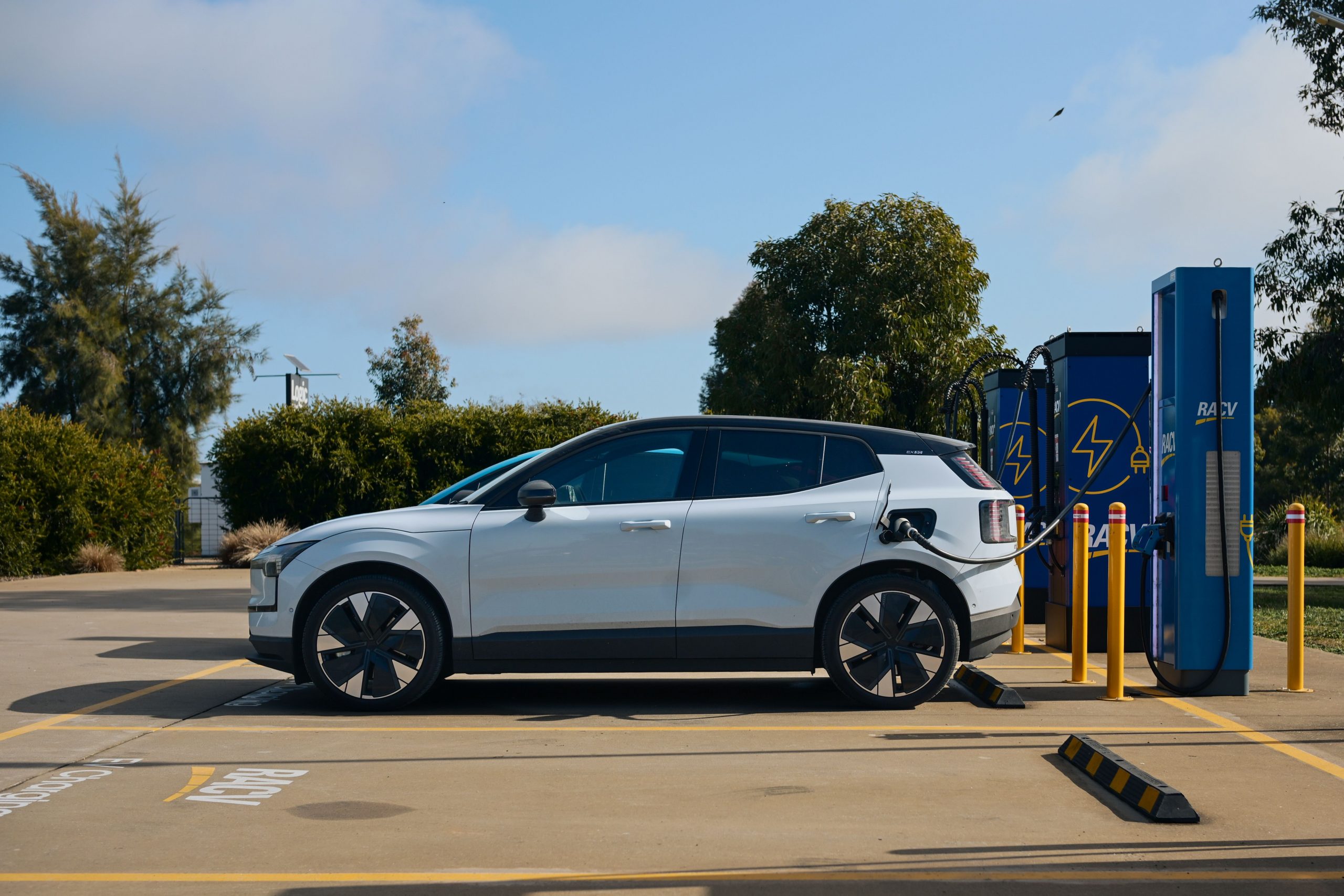
Electric vehicles, or EVs, are no longer a curiosity. Across Southeast Asia, more models are arriving in showrooms, prices for some have come down, and governments in several countries are encouraging their adoption. Naturally, many Bruneian drivers are wondering whether an EV makes sense for them.
It is a more nuanced question here than in some neighbouring countries. Brunei’s petrol has long been famously affordable, so the fuel savings that attract drivers elsewhere may be less dramatic. Still, EVs offer other benefits: quiet, smooth driving, instant acceleration, and fewer moving parts to maintain.
Questions to ask before buying
Where will you charge? For most EV owners, home charging is the key to convenience. If you live in a landed house with a car porch, installing a home charger may be straightforward, though it should always be done by a qualified electrician. Apartment dwellers will need to think harder about access.
What does public charging look like? Before buying, check the current availability of public chargers along your usual routes, for example between Bandar Seri Begawan, Tutong and Kuala Belait. Charging infrastructure changes quickly, so ask dealers for up-to-date information.
How far do you actually drive? Brunei’s compact size works in favour of EVs. Many daily commutes are short, and a modern EV’s range should comfortably cover most routine trips. If you often drive into Sarawak or Sabah, plan more carefully.
Heat, rain and after-sales care
Batteries do not love extreme heat. Parking in shade or covered spaces where possible is good practice, and most modern EVs have battery cooling systems designed for warm climates. Ask the dealer how the model handles tropical conditions.
After-sales support is just as important as the car itself. Find out about warranty terms, especially for the battery, and whether local workshops have the trained technicians and parts to service the vehicle. Insurance premiums and resale value are also worth checking before you commit.
An EV will not suit every driver today, and that is fine. But for households with home charging and predictable commutes, it may be worth a test drive. The future of motoring is arriving gradually, and it pays to arrive informed.