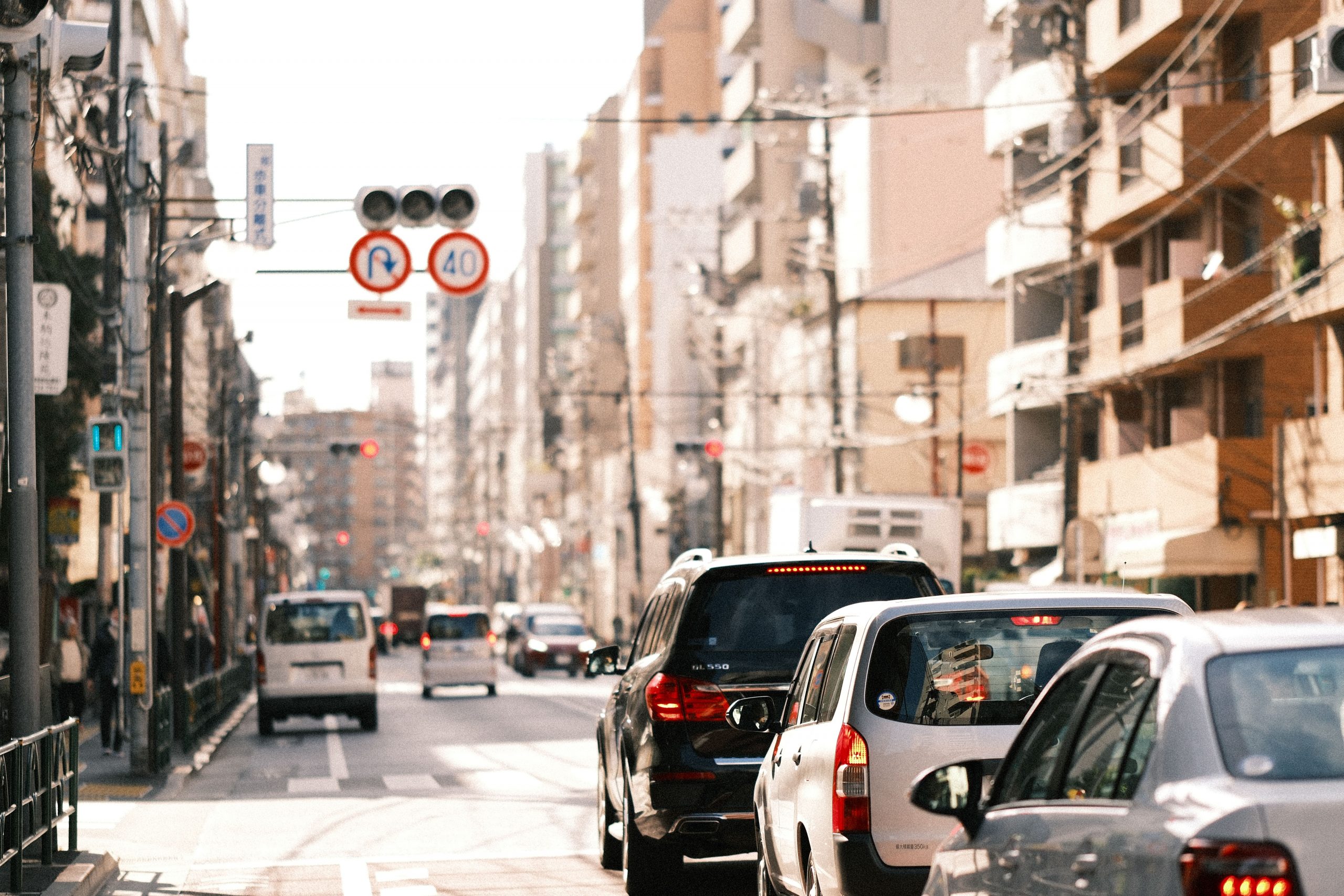
Category: Automotive

  • Sun, Storms and Floods: Keeping Your Car Happy in the Tropics

    Sun, Storms and Floods: Keeping Your Car Happy in the Tropics

    Our cars work hard. Blazing sun, sudden heavy rain and high humidity all take their toll, often in ways drivers do not notice until something goes wrong. A little routine care can save money and stress, whether you drive a family MPV around Jerudong or a pickup through the Belait district.

    Protecting paint and interiors

    Strong UV light fades paint and dries out dashboards. Park in the shade whenever you can, and use a windscreen sunshade when you cannot. A regular wash and wax, or a paint protection coating, helps shield the finish. Tree sap and bird droppings should be cleaned off promptly, as they can damage paint in the heat.

    Inside, a dashboard protectant and seat covers help prevent cracking and fading. Window tint is popular for comfort, but always check the current legal limits before fitting it. Humidity can also lead to musty smells, so run the air-conditioning regularly and replace the cabin air filter as recommended.

    Batteries, tyres and fluids

    Heat shortens the life of car batteries. If yours is more than a couple of years old, have it tested during routine servicing. Tyres also deserve attention: check pressures monthly, ideally when the tyres are cool, and look for sufficient tread depth. Good tread is essential for gripping wet roads during downpours.

    Keep an eye on coolant levels, and do not ignore a rising temperature gauge. Wiper blades perish quickly in the sun, so replace them when they start to streak. You will be glad of clear visibility when a storm rolls in on the highway.

    When heavy rain comes

    Brunei’s rainy seasons can bring flash flooding in some low-lying areas. The safest advice is simple: never drive through water if you cannot judge its depth. Water sucked into the engine can cause severe, expensive damage, and moving water can sweep a car off the road.

    In heavy rain, slow down, switch on your headlights, and leave extra distance to the car in front. Avoid using hazard lights while moving unless the situation genuinely calls for it, as they can confuse other drivers.

    If your car has been in floodwater, do not try to restart it. Have it towed to a workshop and contact your insurer. With a bit of foresight, your car will keep running smoothly, rain or shine.
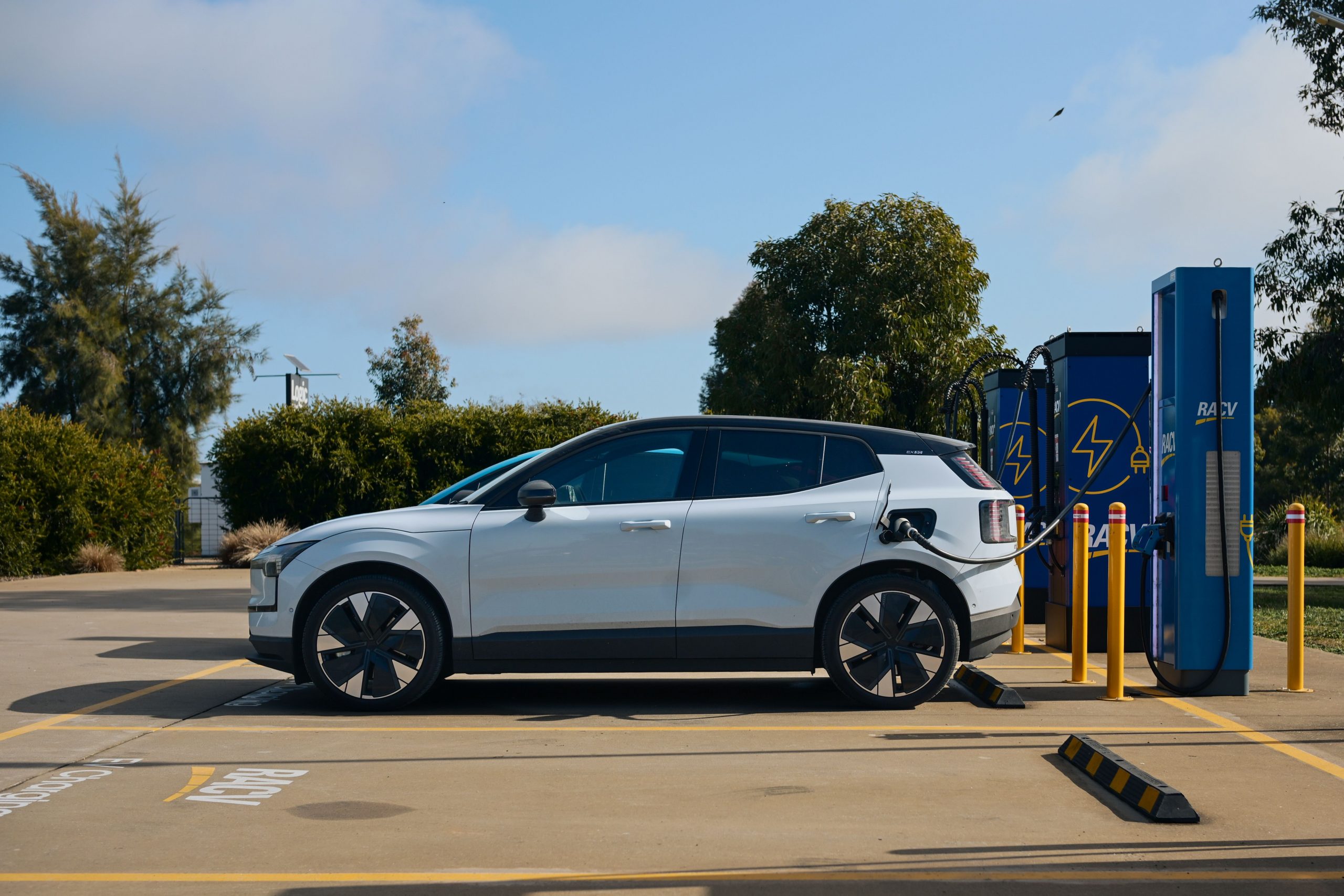
  • Thinking About an Electric Car? What Brunei Drivers Should Know

    Thinking About an Electric Car? What Brunei Drivers Should Know

    Electric vehicles, or EVs, are no longer a curiosity. Across Southeast Asia, more models are arriving in showrooms, prices for some have come down, and governments in several countries are encouraging their adoption. Naturally, many Bruneian drivers are wondering whether an EV makes sense for them.

    It is a more nuanced question here than in some neighbouring countries. Brunei’s petrol has long been famously affordable, so the fuel savings that attract drivers elsewhere may be less dramatic. Still, EVs offer other benefits: quiet, smooth driving, instant acceleration, and fewer moving parts to maintain.

    Questions to ask before buying

    Where will you charge? For most EV owners, home charging is the key to convenience. If you live in a landed house with a car porch, installing a home charger may be straightforward, though it should always be done by a qualified electrician. Apartment dwellers will need to think harder about access.

    What does public charging look like? Before buying, check the current availability of public chargers along your usual routes, for example between Bandar Seri Begawan, Tutong and Kuala Belait. Charging infrastructure changes quickly, so ask dealers for up-to-date information.

    How far do you actually drive? Brunei’s compact size works in favour of EVs. Many daily commutes are short, and a modern EV’s range should comfortably cover most routine trips. If you often drive into Sarawak or Sabah, plan more carefully.

    Heat, rain and after-sales care

    Batteries do not love extreme heat. Parking in shade or covered spaces where possible is good practice, and most modern EVs have battery cooling systems designed for warm climates. Ask the dealer how the model handles tropical conditions.

    After-sales support is just as important as the car itself. Find out about warranty terms, especially for the battery, and whether local workshops have the trained technicians and parts to service the vehicle. Insurance premiums and resale value are also worth checking before you commit.

    An EV will not suit every driver today, and that is fine. But for households with home charging and predictable commutes, it may be worth a test drive. The future of motoring is arriving gradually, and it pays to arrive informed.